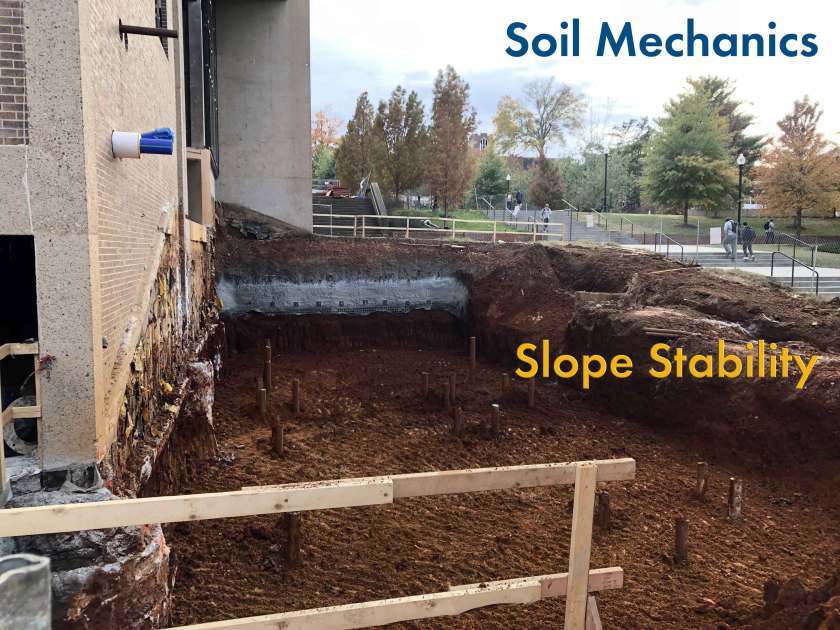
Note: this is the first video presentation I did for this course when the COVID emergency hit in March 2020. There were many more for this and my other courses, some of which led to this award in 2021. The material I teach has changed since I made this video.
This ceremony took place last month at UTC. I was the “matchmaker” for the agreement; after UTC signed a similar agreement with Covenant College, I thought “why not Lee?” Being well embedded and known in the Church of God (and my wife a Lee graduate,) I reached out to Dr. Debbie Murray, Lee’s Vice President for Academic Affairs. Her response and that of from Dr. Paul Conn, Lee’s President, was positive. Then I approached UTC’s Dean of the College of Engineering and Computer Science, Dr. Daniel Pack, and he was receptive. The rest, as they say, is history.
An articulation agreement like this specifies that the students spends three years at Lee and two at UTC, obtaining an engineering degree at the end. Making this available is a step forward for both institutions. Additionally Lee students won’t have to make a major move (if any) to complete their degree, since the two institutions are about 30 miles apart.
This has been one of the most gratifying things I have been involved with both in my years in the Church of God and at UTC.
I have had deep reservations about the frequently uncritical way data is used to “advance” science, and now I see I’m not the only one. I think our better way is to develop our understanding of the phenomena around us and use that for predictive methods rather than just extrapolating data, with all of the biases and inherent danger in extrapolation of any kind that follows.
Some people seem to think that if you have a problem or an issue, all you need to do is to collect enough information about it, and that will tell you the answer. Robert McNamara has provided a stark counter-example. As well as being the Secretary of Defence during the Cuban missile crisis and president […]
In my teaching at UTC, one of the people I’d see in the hallway was Chris Land. He’d always speak to me and I to him. This past weekend he walked for his Mechanical Engineering degree:
He’s one of those people who makes teaching worthwhile, even in the midst of its frustrations. He helps to keep us going.